Lagos, Nigeria
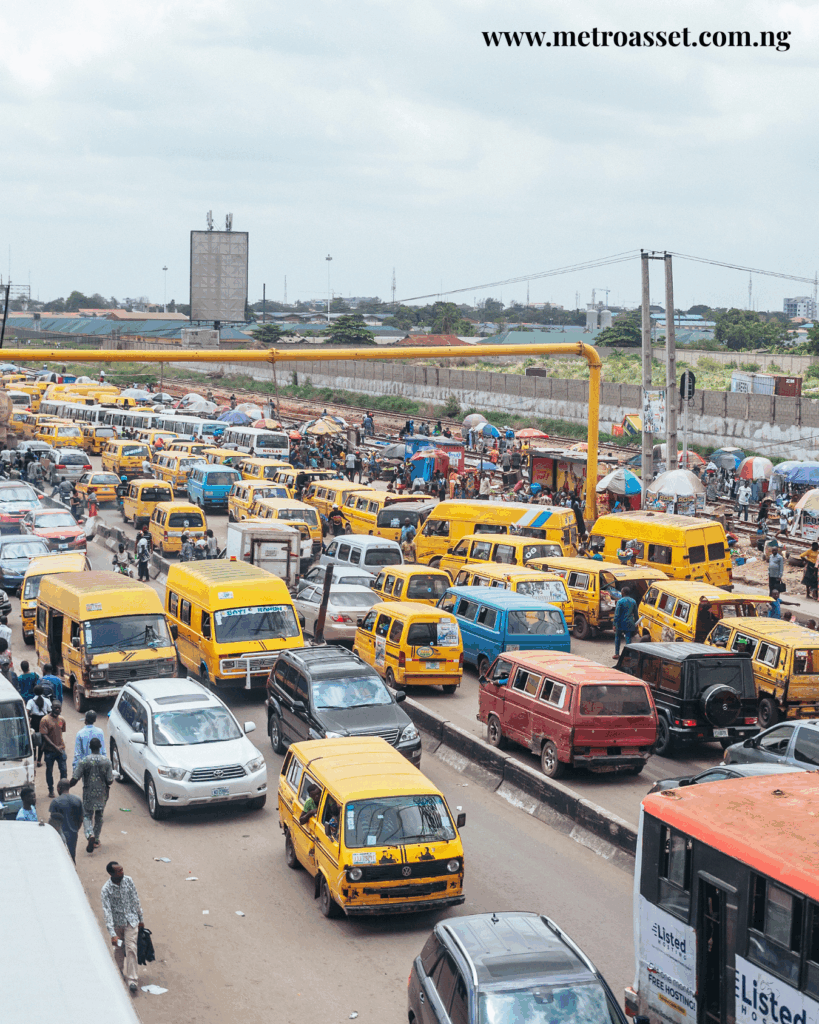
If you’ve visited Lagos recently, the first thing that strikes you is the sheer energy—a palpable, relentless pulse of human activity. The roads are perpetually busy, the markets are bursting, and new buildings seem to sprout overnight. Lagos is not just growing; it’s exploding. With an estimated population soaring past 20 million, this megacity is a gravitational force, pulling in people from every corner of Nigeria at an astonishing rate.
But what is fueling this massive migration? And what does it mean for the future of living, working, and investing in Nigeria’s economic heartbeat? The story is one of push, pull, and unprecedented opportunity, especially in the world of real estate.
The National Exodus: Why Everyone is Heading to Lagos and Abuja
To understand Lagos’s growth, you must look at what is happening across the country. A powerful, two-pronged migration is underway.
1. The “Push” Factors: Leaving the Hinterlands
Across Nigeria’s rural areas and smaller cities, millions are being pushed out by challenging conditions:
- Rural Stagnation and Climate Change: Many agrarian communities face inconsistent rainfall, desertification in the north, and flooding in the south, making farming increasingly unreliable. This erodes livelihoods and pushes the youth towards the cities.
- Insecurity: Widespread insecurity in several regions, including the farmer-herder conflicts in the Middle Belt and banditry in the northwest, has displaced millions. These displaced populations seek safety and a chance to rebuild their lives in perceived safer hubs like Lagos and Abuja.
- Lack of Opportunity: The absence of viable industries, quality healthcare, and reputable educational institutions in many states creates a powerful “brain drain” to where these amenities are concentrated.
2. The “Pull” Factors: The Allure of the Metropolis
Lagos and Abuja represent hope and opportunity, acting as powerful magnets:
- The Economic Engine: Lagos is responsible for a staggering proportion of Nigeria’s GDP. It is the hub of finance, tech, entertainment, and commerce. For a young graduate or an ambitious entrepreneur, Lagos is where the jobs, clients, and investors are.
- The Seat of Power: Abuja, as the federal capital, attracts a different stream government contractors, civil servants, diplomats, and lobbyists. Its planned infrastructure and status as the center of political power make it a prime destination.
- Perception of a Better Life: The concentration of top-tier schools, hospitals, shopping malls, and entertainment venues creates a powerful narrative of modern, successful living that is irresistible to many.
This constant influx of people creates a simple, undeniable economic reality: a surging demand for a finite resource, land.
The Impact on Real Estate: A Market Under Pressure
The laws of supply and demand have never been clearer. As thousands of new residents arrive in Lagos every week, the impact on the real estate market is dramatic:
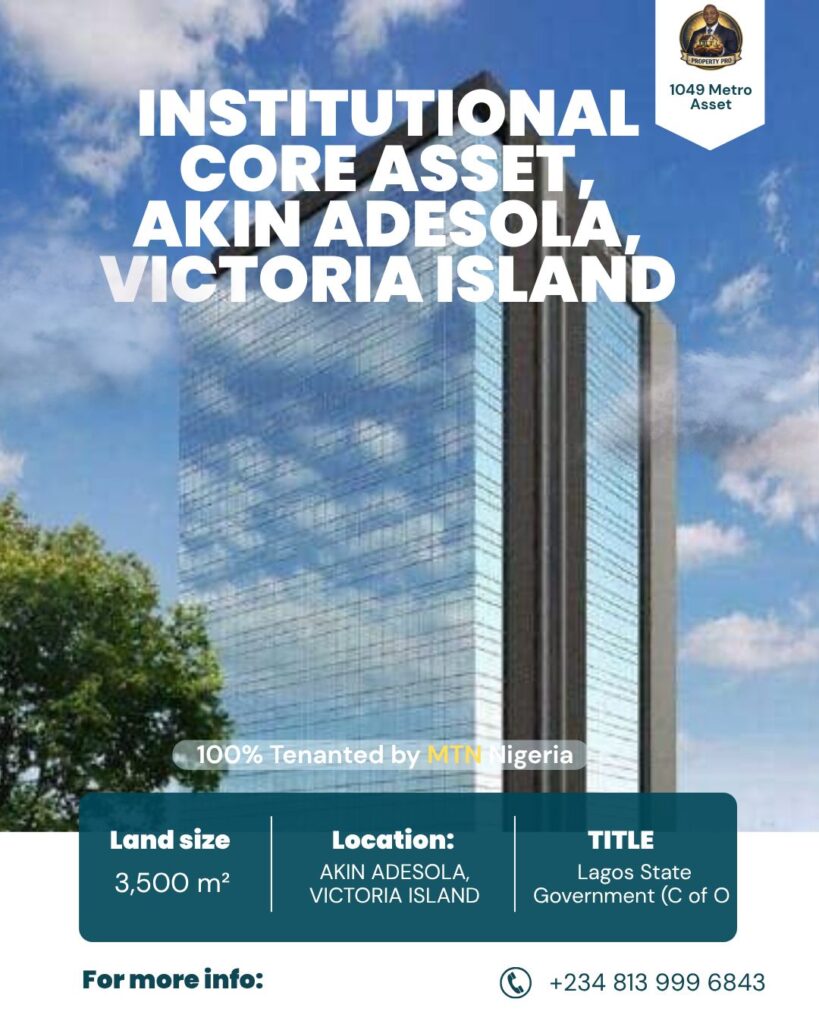
- Skyrocketing Rental Costs: Rents in desirable areas like Lekki, Ikoyi, Victoria Island, and even mainland hubs like Ikeja and Yaba have soared. Accommodation is one of the biggest immediate expenses for new migrants.
- Land Appreciation at a Premium: The value of land, particularly in developing corridors like Epe, Ibeju-Lekki, and along the Lagos-Ibadan Expressway, is appreciating at an exponential rate. What was farmland a decade ago is now a premium residential estate.
- A Housing Deficit Crisis: The population growth has far outpaced the development of new housing units, creating a massive housing deficit. This gap ensures that demand will remain insatiably high for the foreseeable future.
Why It Is Only Reasonable to Start Owning Land Now
In this environment of explosive growth and constrained supply, land is not just an asset; it is the ultimate store of value. Here’s why acting now is a decision of sheer economic prudence:
- Land is a Finite Resource: They are not making any more of it. As Lagos expands, swallowing up towns and communities in its wake, well-located land will only become scarcer and more valuable.
- A Hedge Against Inflation: While the Naira fluctuates and inflation erodes cash savings, real estate, particularly land, has historically proven to be a robust hedge. Its value increases in tandem with population growth and economic activity.
- The Power of “Location, Location, Location”: Investing in the right locations areas earmarked for future infrastructure projects like new roads, bridges, or economic zones can yield monumental returns. The ongoing development of the Lekki Free Zone and the new Lekki Airport are perfect examples of catalysts that have transformed land values.
- A Tangible, Productive Asset: Unlike stocks that can feel abstract, land is a physical asset you can own and control. It can be developed for personal use, rented out, or held and sold as a long-term investment for your children’s future.
- You Are Buying Tomorrow’s Price, Today: The current population explosion is not a temporary trend; it is Nigeria’s new reality. The forces pushing people to Lagos are deep-seated and will continue for generations. By investing today, you are securing an asset at today’s price that will be part of tomorrow’s indispensable urban fabric.
The Time to Act is Now
The troops of people marching into Lagos and Abuja are not slowing down. They need homes, offices, shops, and schools. This fundamental human need is the bedrock of a resilient and booming real estate market.
While the traffic and density may seem overwhelming, for the astute investor, it signals one thing: opportunity. The explosion of Lagos’s population is a clear, long-term trend. In the face of this trend, owning a piece of the land upon which this great metropolis is being built is the most reasonable, logical, and potentially rewarding decision you can make. Don’t just watch the city grow own a part of its future.