Introduction
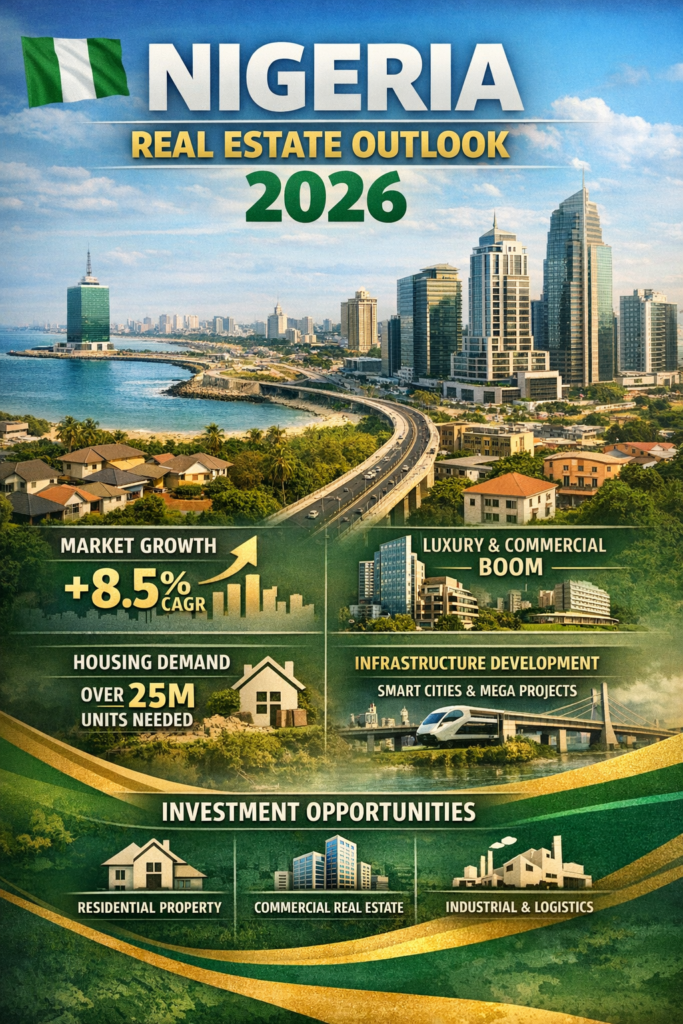
Nigeria’s real estate sector is one of the fastest-growing in Africa, offering both opportunities and challenges for investors, developers, and homebuyers. With Lagos and Abuja leading demand, and secondary cities like Enugu and Asaba emerging, the market is evolving rapidly. This blog explores the most relevant information you need to know about Nigeria’s real estate market in 2026.
Market Growth & Valuation
- Forecasted Growth: ~10% in 2026.
- Market Size: Valued at approximately $2.61 trillion.
- Demand Hotspots: Lagos accounts for 61.6% of demand, especially rentals (46.2%). Abuja follows with 19.4% demand, particularly in commercial spaces.
Major Drivers
- Infrastructure Projects: The Lekki Deep Seaport is boosting Ibeju-Lekki, with land appreciation of ~20%.
- Government Projects: Abuja’s commercial spaces expected to yield ~12% ROI.
- Diaspora Remittances: Increasing investment inflows from Nigerians abroad.
- Proptech Adoption: Digital platforms are reshaping property transactions and management.
Challenges
- High Interest Rates: Financing remains expensive, limiting access for smaller developers.
- Elevated Construction Costs: Inflation and supply chain issues continue to push building expenses higher.
- Consolidation Trend: Weakly structured projects are struggling, while well-capitalized developers gain advantage.
Emerging Opportunities
- Secondary Cities: Enugu and Asaba offer affordable entry points (₦15–20M flats) with 9–10% yields, supported by tourism and improved connectivity.
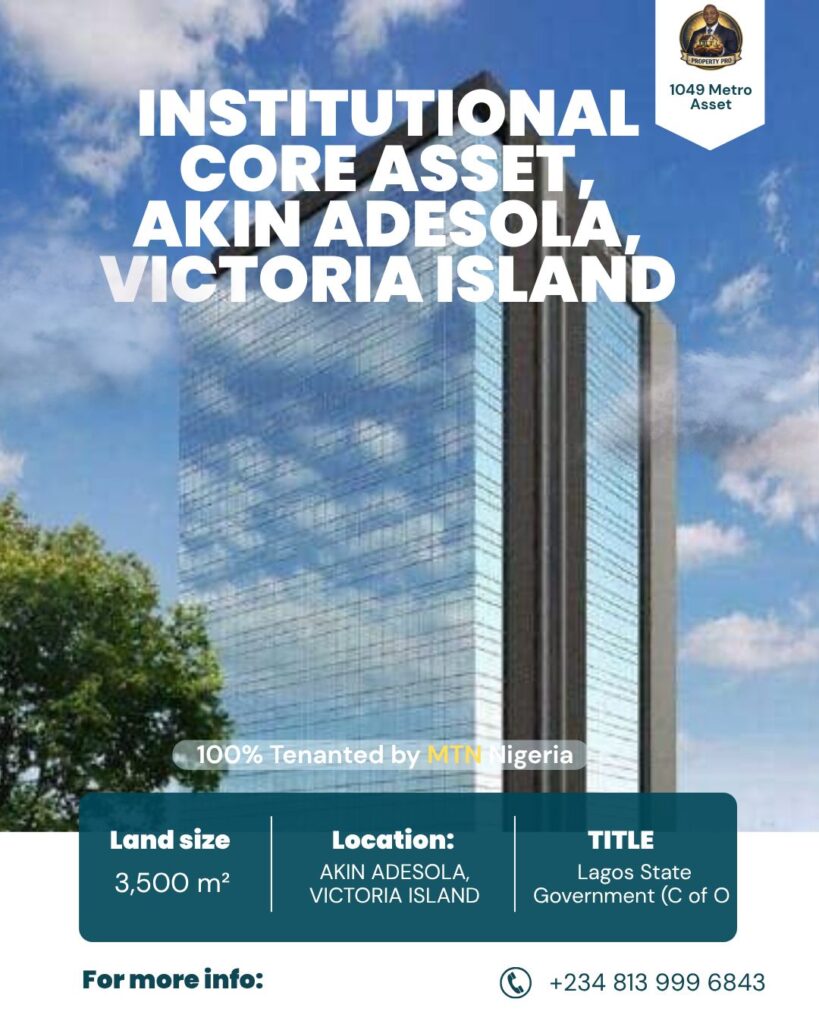
- Luxury Segments: Ikoyi, Victoria Island, and Banana Island remain premium zones with strong demand for high-end residential and commercial properties.
Investment Hotspots
| Location | Key Opportunity | ROI / Appreciation |
|---|---|---|
| Lagos (Ibeju-Lekki) | Boost from Lekki Deep Seaport | ~20% land appreciation |
| Abuja | Government-backed commercial projects | ~12% ROI |
| Enugu & Asaba | Affordable flats, tourism-driven demand | 9–10% yields |
| Ikoyi & VI | Luxury residential & commercial | Premium pricing, steady demand |
Risks & Considerations
- Regulatory Environment: Investors must stay updated on land ownership laws and government policies.
- Financing Hurdles: Limited structured finance options mean cash-heavy investors have an edge.
- Market Consolidation: Smaller developers may exit, reducing competition but also limiting diversity of projects.
Conclusion
Nigeria’s real estate in 2026 is a market of contrasts: strong growth potential in Lagos, Abuja, and emerging cities, but tempered by financing challenges and rising costs. Investors who focus on infrastructure-linked projects, diaspora-driven demand, and proptech innovations are best positioned to succeed.