Western media and stereotypes have long shaped a narrow, often misleading perception of Africa, which discourages investment and perpetuates economic stagnation. Below is a breakdown of common misconceptions versus reality, particularly regarding property investment and economic potential.
1. Perception: “Africa is Poor and Backward”
- Western Stereotype:
- Seen as a continent of poverty, conflict, and underdevelopment.
- Media focuses on famine, war, and disease (e.g., “poverty porn” in charity ads).
- Assumption that African economies are too risky for investment.
- Reality:
- Fastest-growing middle class globally (African Development Bank).
- Six of the world’s 10 fastest-growing economies (IMF 2024) are in Africa.
- Booming tech hubs (Nigeria’s “Silicon Lagoon,” Kenya’s “Silicon Savannah”).
- Untapped real estate demand: Urbanization is exploding—Lagos, Nairobi, and Accra need millions of new homes to meet demand.
Effect of Misconception: Western investors overlook Africa’s high-yield property markets, leaving opportunities to local and Asian (Chinese, Dubai-based) investors.
2. Perception: “Africa Lacks Infrastructure”
- Western Stereotype:
- Images of dirt roads, slums, and lack of electricity dominate.
- Belief that businesses can’t thrive due to poor infrastructure.
- Reality:
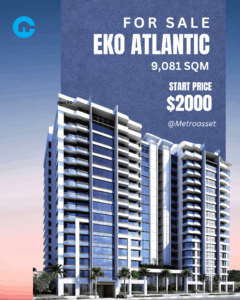
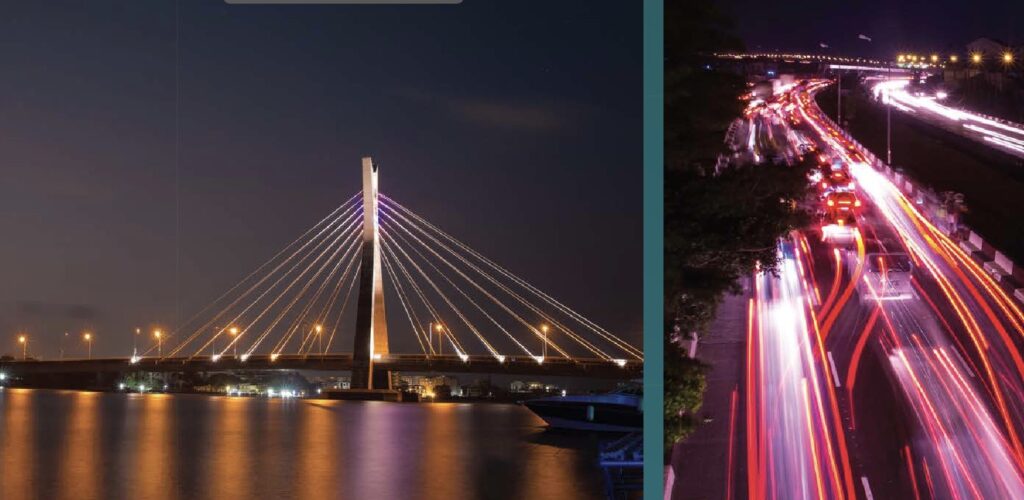
- Smart cities are rising (Eko Atlantic in Lagos, Konza Technopolis in Kenya).
- Renewable energy leapfrogging—Africa leads in solar/hybrid power solutions.
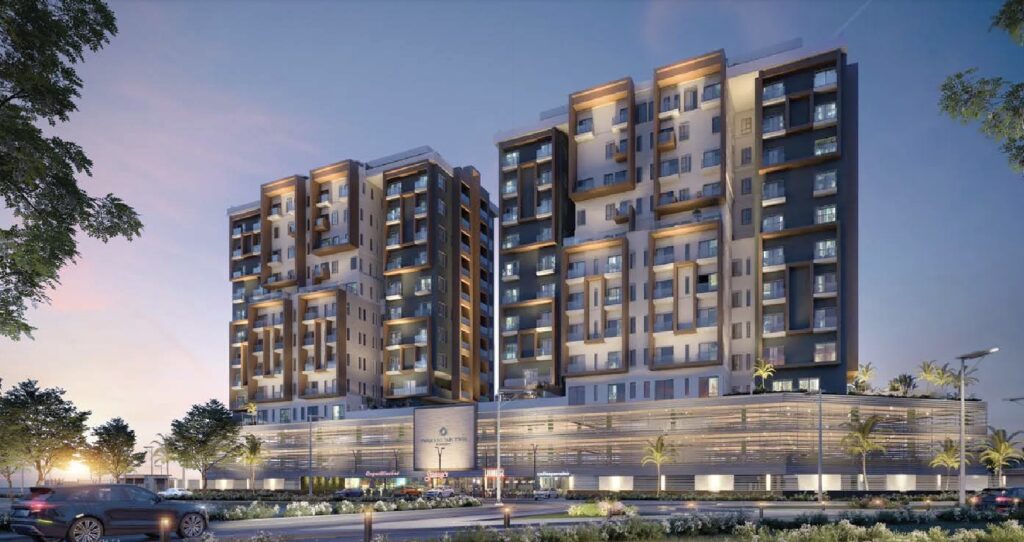
- Modern real estate developments: Luxury apartments, malls, and tech parks exist but are underreported.
Effect of Misconception: Investors assume “no ROI” and miss public-private partnership (PPP) opportunities in infrastructure-linked real estate.
3. Perception: “Political Instability Makes Investment Risky”
- Western Stereotype:
- Assumes coups, corruption, and policy shifts make Africa “uninvestable.”
- Overgeneralizes instability (e.g., conflating Sahel crises with stable Rwanda/Ghana).
- Reality:
- Many African nations are business-friendly (e.g., Rwanda ranks higher than Italy in ease of doing business).
- Land ownership reforms: Countries like Nigeria and Kenya offer C of O (Certificate of Occupancy), securing foreign investments.
- Capital appreciation: Prime Lagos real estate has outperformed London/New York in ROI over the past decade.
Effect of Misconception: Fear deters Western capital, while Middle Eastern/Asian investors buy undervalued land in cities like Abuja and Dar es Salaam.
4. Perception: “There’s No Consumer Market for High-End Real Estate”
- Western Stereotype:
- Believes Africans only need “low-cost housing.”
- Ignores the demand for luxury properties.
- Reality:
- Africa’s ultra-rich population is growing faster than Europe’s (Knight Frank Wealth Report).
- Luxury real estate boom: High-net-worth Africans are buying $1M+ homes in Lagos, Nairobi, and Cape Town.
- Expat demand: Diplomatic and corporate hubs (e.g., Johannesburg, Accra) need premium housing.
Effect of Misconception: Western developers focus only on “affordable housing” projects, missing luxury market premiums.
5. Perception: “African Cities Are Overcrowded and Unsafe”
- Western Stereotype:
- Assumes all African cities are chaotic and crime-ridden.
- Reality:
- Gated communities and smart security (e.g., Banana Island in Lagos, Karen in Nairobi) rival Western standards.
- High rental yields (8–15%) in secure urban areas—better than most U.S./EU markets.
Effect of Misconception: Investors overlook secure, high-return areas due to exaggerated safety fears.
Why This Misperception Hurts Africa’s Growth
- Brain drain: Talented Africans migrate due to perceived lack of local opportunity.
- Capital flight: Wealthy Africans invest abroad (Dubai, UK) instead of home markets.
- Missed economic boom: Western investors ignore one of the last untapped high-growth property markets.