
A Real Estate Professional’s Perspective on Nigeria’s Market Realities and Hidden Opportunities
The Current Dilemma
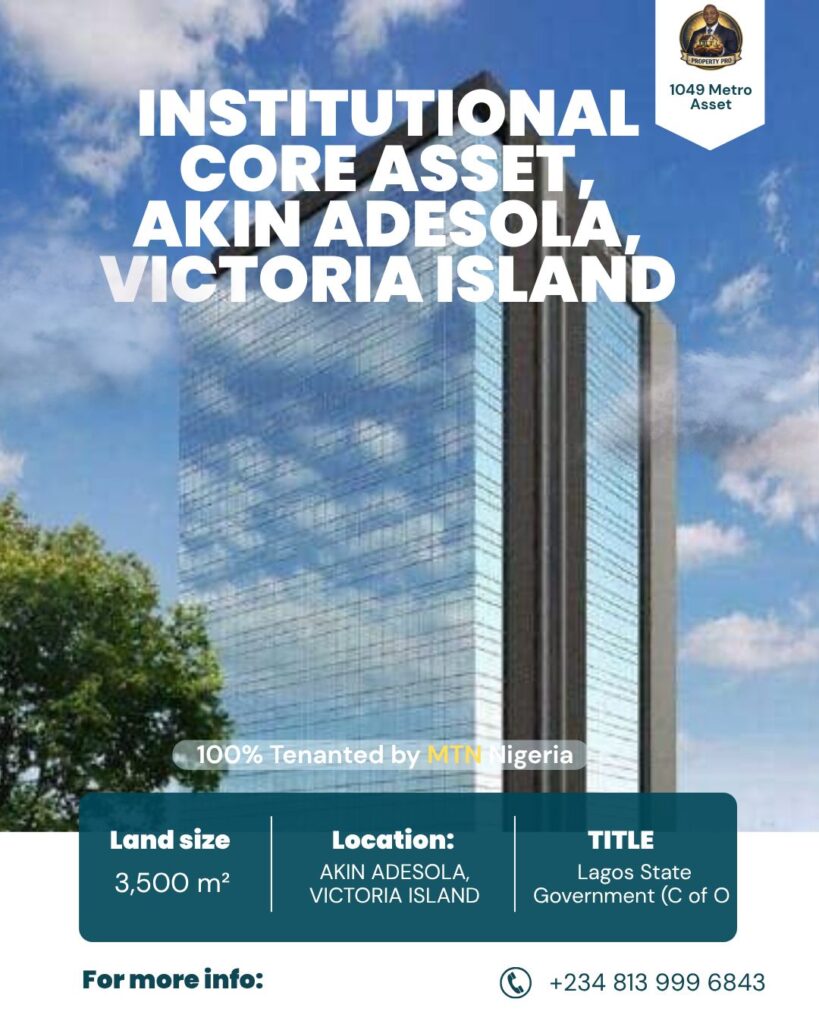
Walk through Banana Island, Ikoyi, or Victoria Island, and you’ll see stunning properties—modern high-rises, luxury estates, and well-planned developments. The structures are world-class, the locations are prime, yet many of these properties sit half-empty, and transactions move slower than expected.
So, where’s the money?
The truth is, Nigeria’s real estate market is caught in a paradox:
1. High-Quality Supply, Low Effective Demand – Developers keep building for the ultra-wealthy, but the actual pool of buyers with liquid cash is small.
2. Financing Bottlenecks – Mortgages are still a luxury. Few Nigerians can access long-term, low-interest loans to buy property.
3. Economic Volatility – Inflation, currency fluctuations, and policy instability make real estate a risky asset class for many.
4. Lack of Trust – Fraudulent land deals and title issues scare off both local and foreign investors.
Yet, despite these challenges, the opportunities in Nigerian real estate are massive—if you know where to look.
The Hidden Opportunities (With One Eye on the Future)
1. The Rise of the Middle-Class Rental Market
* Problem: Many luxury properties are built for ownership, but Nigerians increasingly prefer renting due to economic uncertainty.
* Opportunity: Developers should pivot to high-quality, mid-income rental apartments in cities like Lagos, Abuja, and Port Harcourt. Think: serviced apartments, co-living spaces, and flexible lease terms.
2. Affordable Housing (The Untapped Goldmine)
* Problem: 90% of Nigerians cannot afford a ₦50M+ home, yet most developers focus on high-end projects.
* Opportunity: Public-private partnerships (PPP) and modular housing could unlock mass-market demand. The government’s Family Homes Fund is a start, but private developers must step in.
3. Diaspora Investment – Nigeria’s Sleeping Giant
* Problem: Many diaspora Nigerians want to invest in real estate but fear fraud and poor management.
* Opportunity: Blockchain-based property verification, escrow services, and trusted property management firms could unlock billions in diaspora capital.
4. Commercial Real Estate – The Next Boom
* Problem: Office spaces in Ikoyi and VI are emptying as remote work grows.
* Opportunity: Convert underutilized office buildings into co-working hubs, tech incubators, or mixed-use developments.
5. Land Banking in Emerging Corridors
* Problem: Everyone wants Lekki, but land prices are already inflated.
* Opportunity: Smart investors are looking at:
* Epe (Lekki’s next frontier)
* Ibeju-Lekki (Dangote Refinery & Lekki Free Zone impact)
* Abuja’s outskirts (As the city expands)
The Future: What Must Change?
1. Better Financing Models – Mortgage penetration must improve. Banks and fintechs should collaborate on rent-to-own schemes and flexible payment plans.
2. Tech-Driven Trust Solutions – AI for title verification, smart contracts for transactions.
3. Government Policy Stability – Clear land reforms, tax incentives for developers.
4. Shift from “Luxury-Only” Mindset – Developers must cater to the real demand, not just ego-driven projects.
Conclusion: The Money is There – But You Must Think Differently
The Nigerian real estate market isn’t “dead”—it’s evolving. The old model of “build luxury and wait for billionaires” is fading. The future belongs to those who:
✔ Understand real demand (not just speculative buying)
✔ Leverage technology to solve trust issues
✔ Focus on affordability and flexibility
✔ Invest with a 5–10 year horizon
For smart investors, Nigeria remains one of the most lucrative real estate markets in Africa—but only if you play the long game.
What’s your strategy?