As of April 7, 2025, under a presumed second term of Donald Trump (following the information that his second term began on January 20, 2025), the Nigerian real estate sector would likely be experiencing a complex interplay of domestic economic factors and the indirect effects of US trade policies.
Here’s a breakdown of how both could be impacting the Nigerian real estate sector:
Impact of Nigeria’s Current Economic Climate:
* High Inflation: Nigeria has been grappling with high inflation rates, which directly impacts the cost of building materials (cement, steel, roofing, etc.). This increases the overall cost of construction and consequently pushes up property prices, making it less affordable for potential buyers and impacting developer profit margins.
* Currency Devaluation: The devaluation of the Naira makes imported building materials more expensive, further exacerbating the cost of construction. It can also affect the purchasing power of individuals and businesses looking to invest in real estate.
* Interest Rates: High interest rates on loans make it more expensive for developers to finance projects and for individuals to secure mortgages, potentially dampening both supply and demand in the real estate market.
*
* Economic Growth: The overall pace of Nigeria’s economic growth (or lack thereof) influences the disposable income of potential buyers and the confidence of investors in the real estate sector. Slow growth can lead to reduced demand.
* Infrastructure Deficit: Persistent infrastructure challenges (power, roads, water) in many parts of Nigeria can depress property values and make certain locations less attractive, despite potential demand.
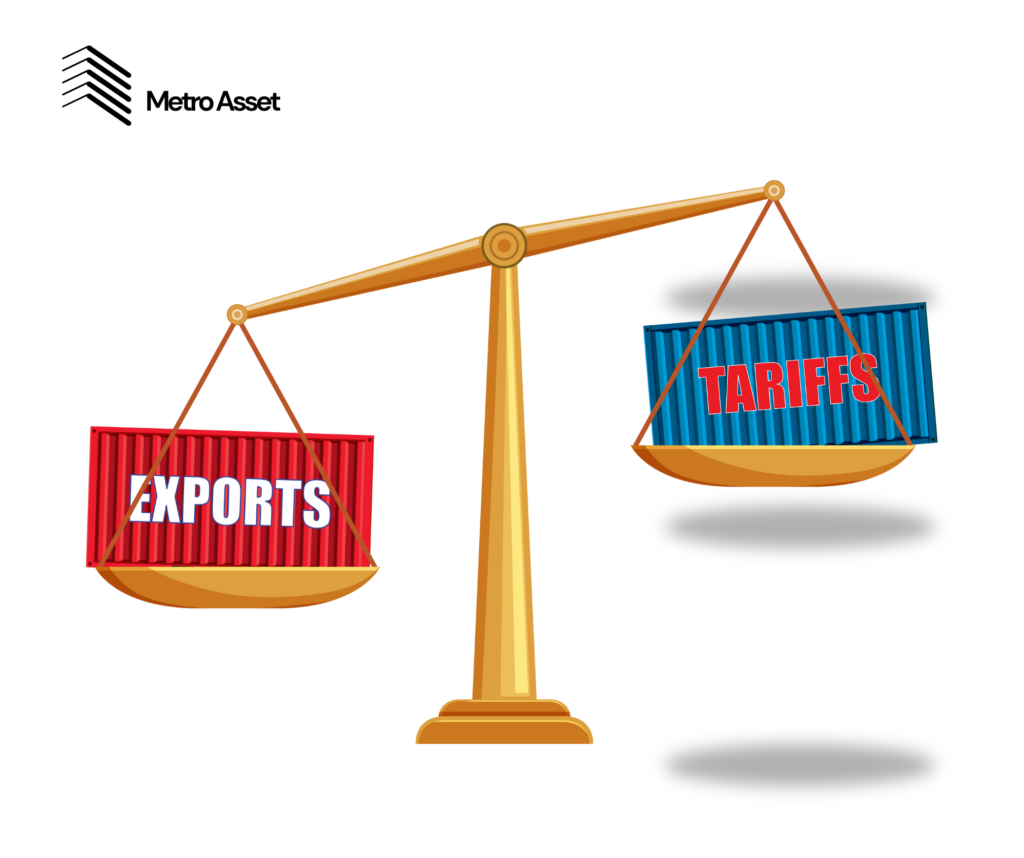
Indirect Effects of Donald Trump’s Trade Policies (Tariffs):
It’s important to note that the direct impact of US tariffs on goods primarily involves trade between the US and other countries. Nigeria’s direct trade with the US in terms of raw materials or finished goods that would significantly impact the real estate sector (like large-scale imports of specific building materials subject to heavy Trump tariffs) might be limited.
However, there can be indirect effects:
* Global Economic Slowdown: If Trump’s tariffs trigger trade wars and lead to a global economic slowdown, this could have ripple effects on Nigeria’s economy. Reduced global demand for oil (Nigeria’s main export) could decrease government revenue, impacting infrastructure spending and overall economic activity, indirectly affecting the real estate sector.
* Investor Sentiment: Increased global economic uncertainty due to trade tensions could make international investors more cautious about investing in emerging markets like Nigeria, potentially reducing foreign direct investment in real estate projects.
* Remittances: While not directly a tariff issue, broader US economic policies could impact the Nigerian diaspora in the US and their ability to send remittances home. These remittances often play a role in funding property purchases by families in Nigeria. If the US economy weakens, this could indirectly affect demand.
* Increased Cost of Some Imported Goods: While major building materials might not be directly targeted by Trump’s tariffs on Nigeria, tariffs on other goods imported into Nigeria from countries affected by US tariffs could contribute to overall inflation, indirectly impacting affordability within the Nigerian economy and the real estate market.
In Conclusion:
As of April 2025, the Nigerian real estate sector is likely more directly influenced by Nigeria’s internal economic challenges (inflation, currency devaluation, interest rates, infrastructure) than by Donald Trump’s tariff policies. The impact of the latter would likely be more indirect, potentially affecting global economic growth, investor sentiment, and remittances, which could then have secondary effects on the Nigerian property market.
It’s crucial to monitor both the domestic Nigerian economic policies and the broader global economic landscape to fully understand the factors shaping the Nigerian real estate sector.
CONTACT
Umar Adedeji
0813.999.6843
Umar.Adedeji@metroasset.com.ng
26, Akin Leigh Crescent. Lekki Phase-1, 106104. Lagos, Nigeria.